


Understanding Epoxy Flooring Costs: Price Per Square Foot Explained
Discover the ins and outs of epoxy flooring costs, including a breakdown of price per square foot, to help you make informed decisions for your space.
Understanding Epoxy Flooring Costs: Price Per Square Foot Explained
Discover the ins and outs of epoxy flooring costs,including a breakdown of price per square foot, to help you make informeddecisions for your space.
Factors Influencing Epoxy Flooring Costs
When considering epoxy flooring for your space, it’sessential to understand the factors that influence the overall cost. One of theprimary determinants is the type of epoxy used. Epoxy flooring comes in variousgrades and formulations, each suited for different applications andenvironments. For example, high-performance epoxy designed for industrial usewill naturally cost more than the standard versions used in residentialsettings. The quality of the epoxy resin, including its thickness and durability,also plays a critical role in determining cost.
Another significant factor is the condition of theexisting floor. If the surface requires extensive preparation, such asrepairing cracks, leveling, or removing old flooring materials, theseadditional steps can add to the overall cost. Surface preparation is crucial toensuring the epoxy adheres correctly and lasts a long time. Therefore, thelabor and materials needed for this preparation can sometimes cost as much ormore than the epoxy material itself.
Labor costs are also a critical component. Dependingon your location, labor rates can vary significantly. In areas with a highercost of living, professional installers will likely charge more for theirservices. The complexity of the installation process, including the area to be coveredand its size and shape, can also influence labor costs. Intricate designs,multiple colors, or custom patterns will require more time and expertise,thereby increasing the overall expense.
Average Price Per Square Foot for Epoxy Flooring
Understanding the average price per square foot forepoxy flooring can help you budget more effectively. Generally, epoxy flooring costs$3 to $15 per square foot, depending on factors such as the type of epoxy, theamount of repair and surface preparation required, and installation complexity.For standard residential applications, you can expect to pay between $3 and $7per square foot. This range typically covers basic epoxy installs such as solidcolor and standard full flake systems.
For commercial or industrial applications, the costper square foot tends to be higher, typically $8 to $12. These applicationsusually require more durable epoxy formulations that can withstand heavytraffic, chemical spills, and other demanding conditions. High-performanceepoxy coatings designed for these settings are generally higher in film-buildand have high-performance topcoats for abrasion and chemical resistance.
It’s also worth noting that some contractors mayoffer bulk pricing for larger projects. If you’re planning to cover a largearea, you might be able to negotiate a lower per-square-foot rate. However,always ensure that the lower cost doesn’t come at the expense of quality. It’scrucial to balance cost with the durability and aesthetics of the final productto ensure long-term satisfaction.
Types of Epoxy Flooring and Their Costs
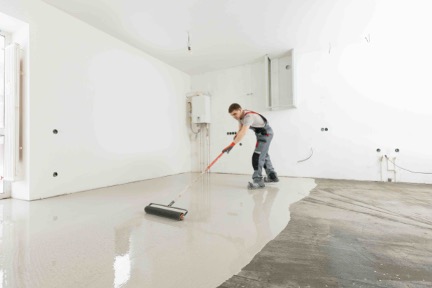
Epoxy flooring comes in various types, each with itsspecific characteristics and associated costs. One of the most common types is 100%solids self-leveling epoxy, known for its excellent mechanical strength. Thistype is often used in areas with heavy machinery or high foot traffic. The costof this epoxy typically ranges from $4 to $8 per square foot, making it amid-range option. Self-leveling epoxy isoften used in residential and commercial spaces for its smooth, aestheticallypleasing finish. This type of epoxy is ideal for commercial and office spaces.Its ease of application and visually appealing finish make it a popular choicefor homeowners and business owners alike.
Metallic epoxy is another option, known for itsunique, marble-like appearance. This type of epoxy offers a high-gloss finishand can be customized with various colors and patterns. Due to its specializednature, metallic epoxy tends to be more expensive, with costs ranging from $12to $20 per square foot. This type is often used in high-end residentialsettings, showrooms, and other spaces where aesthetics are a top priority.
Additional Costs to Consider (Preparation, Installation, etc.)
While the cost of the epoxy material itself is asignificant part of the overall expense, there are additional costs toconsider. Surface preparation is one of the most crucial steps in the epoxyflooring process. This can involve cleaning, grinding, and repairing theexisting floor to ensure a smooth, even surface for the epoxy to adhere to.Depending on the condition of your current floor, surface preparation can add$1 to $5 per square foot to the total cost.
Installation costs are another important factor.Professional installation ensures that the epoxy is applied correctly, but itcomes at a price. Labor costs for professional installation typically rangefrom $2 to $5 per square foot. This cost can vary depending on the project's complexity,including any custom designs or patterns. While it might be tempting to cutcosts by opting for a DIY installation, it's essential to weigh the potentialrisks and challenges involved.
Additional materials and tools can also add to theoverall cost. For instance, if you choose an epoxy that requires a primer, theprimer will increase material costs. Other tools and equipment, such asrollers, brushes, and protective gear, can also contribute to the totalexpense. It's essential to factor in these additional costs when budgeting foryour epoxy flooring project to avoid any unexpected surprises.
DIY vs. Professional Installation: Cost Comparison
When it comes to epoxy flooring, one of the mostsignificant decisions you'll make is whether to do a DIY installation or hire aprofessional. DIY installation can be an attractive option for those looking tosave money. However, it's important to consider the potential challenges andrisks. The cost of a DIY epoxy flooring project typically includes the price ofthe epoxy material, surface preparation tools, and application equipment. Onaverage, a DIY installation can cost between $2 and $5 per square foot.
While DIY installation can save on labor costs, itrequires a significant time investment and a certain level of skill. Mistakesduring preparation or application can lead to costly repairs or even a completereinstallation. If you're confident in your abilities and willing to invest thenecessary time, DIY can be a cost-effective option. However, it's essential toweigh the potential risks and challenges before making a decision.
On the other hand, professional installation ensuresthat the epoxy is applied correctly and efficiently. While the initial cost ishigher, typically ranging from $4 to $12 per square foot, the long-termbenefits can outweigh the upfront expense. Professional installers have theexperience and equipment to handle surface preparation, application, andfinishing, ensuring a high-quality result. Additionally, many professionalinstallers offer warranties, providing peace of mind and protection against anypotential issues.
Long-term Value and Durability of Epoxy Flooring
One of the primary benefits of epoxy flooring is itslong-term value and durability. Epoxy coatings are known for their resistanceto wear and tear, making them an excellent choice for high-traffic areas.Unlike other flooring options that may require frequent repairs orreplacements, epoxy flooring can last for many years with proper maintenance.This longevity can offset the initial installation costs, making it acost-effective flooring solution in the long run.
Epoxy flooring is also highly resistant to chemicals,stains, and moisture, making it ideal for garages, basements, and industrialspaces. This resistance helps maintain the floor's appearance and functionalityover time, reducing the need for costly repairs or replacements. Additionally,epoxy floors are easy to clean and maintain, further enhancing their long-termvalue.
Another factor contributing to the long-term value ofepoxy flooring is its versatility. Epoxy can be customized with various colors,patterns, and finishes to suit different aesthetic preferences and functionalrequirements. This flexibility makes it a popular choice for both residentialand commercial applications. Whether you're looking to enhance the appearanceof your home or improve the functionality of a commercial space, epoxy flooringoffers a durable and cost-effective solution.
Maintenance Costs and Considerations
While epoxy flooring is known for its durability andlow maintenance requirements, it's essential to understand the associated costsand considerations. Regular cleaning is crucial to maintain the appearance andfunctionality of your epoxy floor. This typically involves sweeping orvacuuming to remove dirt and debris, followed by mopping with a mild detergent.The cost of cleaning supplies is minimal, but it's important to use productsthat are safe for epoxy surfaces to avoid damage.
In addition to regular cleaning, periodic maintenancemay be required to address any minor issues that arise. For example, if yourepoxy floor develops small cracks or chips, these can often be repaired with anepoxy patching kit. The cost of these kits is relatively low, usually rangingfrom $20 to $50, depending on the size and quality. Regular inspections canhelp identify and address minor issues before they become more significantproblems, reducing the need for costly repairs.
It's also important to consider the potential costsof resealing or recoating your epoxy floor. Over time, the epoxy surface maybecome worn or dull, especially in high-traffic areas. Resealing or recoatingcan restore the floor's appearance and extend its lifespan. The cost ofresealing or recoating typically ranges from $1 to $3 per square foot,depending on the type of epoxy and the condition of the existing floor. Regularmaintenance and timely repairs can help minimize these costs and ensure thelong-term durability of your epoxy flooring.
Tips for Finding the Best Epoxy Flooring Deals
Finding the best deals on epoxy flooring can help youachieve a high-quality result without breaking the bank. One of the mosteffective ways to save money is to shop around and compare prices fromdifferent suppliers and contractors. Look for reputable companies that offercompetitive pricing and provide detailed quotes. Be sure to ask about anypromotions or discounts available, as they can significantly reduce the overallcost.
Another tip is to consider purchasing epoxy flooringmaterials in bulk, especially if you have a large area to cover. Many suppliersoffer bulk pricing, which can lower the cost per square foot. However, it'sessential to ensure the materials' quality is not compromised. Always choosehigh-quality epoxy products from reputable manufacturers to ensure durabilityand long-lasting performance.
Timing can also play a role in finding the best dealson epoxy flooring. Some contractors and suppliers may offer discounts duringoff-peak seasons when demand is lower. Scheduling your project during thesetimes can result in significant savings. Additionally, consider reaching out tomultiple contractors to obtain quotes and negotiate the best price. While cost isessential, remember that quality and expertise should not be sacrificed for afew dollars. Balancing cost, quality, and reliability will help you achieve thebest results for your epoxy flooring project.
Conclusion: Making an Informed Decision on Epoxy Flooring
Choosing epoxy flooring for your space is asignificant decision that involves various factors, including cost, durability,and aesthetics. By understanding the factors that influence epoxy flooringcosts, such as the type of epoxy, surface preparation, and installationcomplexity, you can make informed decisions that align with your budget andrequirements. The average price per square foot for epoxy flooring varies bytype and application, and it's essential to consider additional costs, such assurface preparation and installation.
Deciding between DIY and professional installationalso plays a crucial role in the project's overall cost and quality. While DIYinstallation can save money, it requires a significant time investment and acertain level of skill. Professional installation, on the other hand, ensures ahigh-quality result and often includes warranties for added peace of mind. Thelong-term value and durability of epoxy flooring make it a cost-effectivesolution for residential, commercial, and industrial applications.
To achieve the best results and find the mostcost-effective solutions, it's essential to research and compare differentoptions, consider timing for potential discounts, and prioritize quality andreliability. By taking these steps, you can make an informed decision thatmeets your needs and enhances the functionality and appearance of your space.Epoxy flooring offers a durable, versatile, and aesthetically pleasing solutionthat can provide long-lasting value for your investment.
Frequently Asked Questions About Epoxy Flooring Costs
How much does epoxy flooring cost per square foot?
Epoxy flooring typically costs between $3 and $12 per square foot dependingon the type of epoxy, surface preparation requirements, and whether you chooseDIY or professional installation. Residential projects generally fall on thelower end, while commercial and industrial applications cost more due toheavier-duty systems.
Why is epoxy flooring sometimes more expensive than expected?
Additional costs often come from surface preparation, crack repairs,moisture mitigation, custom designs, or thicker industrial-grade systems.Proper preparation is essential for long-term performance, and skipping thisstep can lead to premature failure.
Is epoxy flooring cheaper if I install it myself?
DIY epoxy flooring can cost between $2 and $5 per square foot in materials.However, improper preparation or application can lead to peeling, bubbling, oruneven finishes. Professional installation typically costs more upfront butoften delivers better durability and long-term value.
How long does epoxy flooring last?
With proper installation and maintenance, epoxy flooring can last 10 to 20years or more. Industrial-grade systems in high-traffic environments mayrequire occasional recoating but are designed for long-term durability.
Does epoxy flooring increase home value?
While epoxy flooring may not directly increase resale value like structuralrenovations, it can significantly improve visual appeal, durability, andfunctionality. In garages, basements, and commercial spaces, it is often seenas a premium upgrade.
What is the most affordable type of epoxy flooring?
Self-leveling epoxy used in residential applications is typically the mostbudget-friendly option, ranging from $3 to $7 per square foot. Decorativeoptions like metallic epoxy or flake systems usually cost more.
Are there ongoing maintenance costs with epoxy flooring?
Maintenance costs are relatively low. Regular cleaning and occasionaltouch-ups are typically sufficient. Resealing or recoating may cost $1 to $3per square foot when needed, depending on traffic levels and wear.
Is epoxy flooring worth the investment?
For many homeowners and businesses, epoxy flooring offers excellentlong-term value due to its durability, low maintenance requirements, resistanceto chemicals and moisture, and customizable appearance. When properlyinstalled, it is one of the most cost-effective flooring systems over time.
.png)

Open
Few reasons why to sign up for our Newsletter
.png)


