

P-99 MVS Primer
P-99 is a state of the art, Bisphenol F epoxy, Moisture Vapor Suppression (MVS) coating.
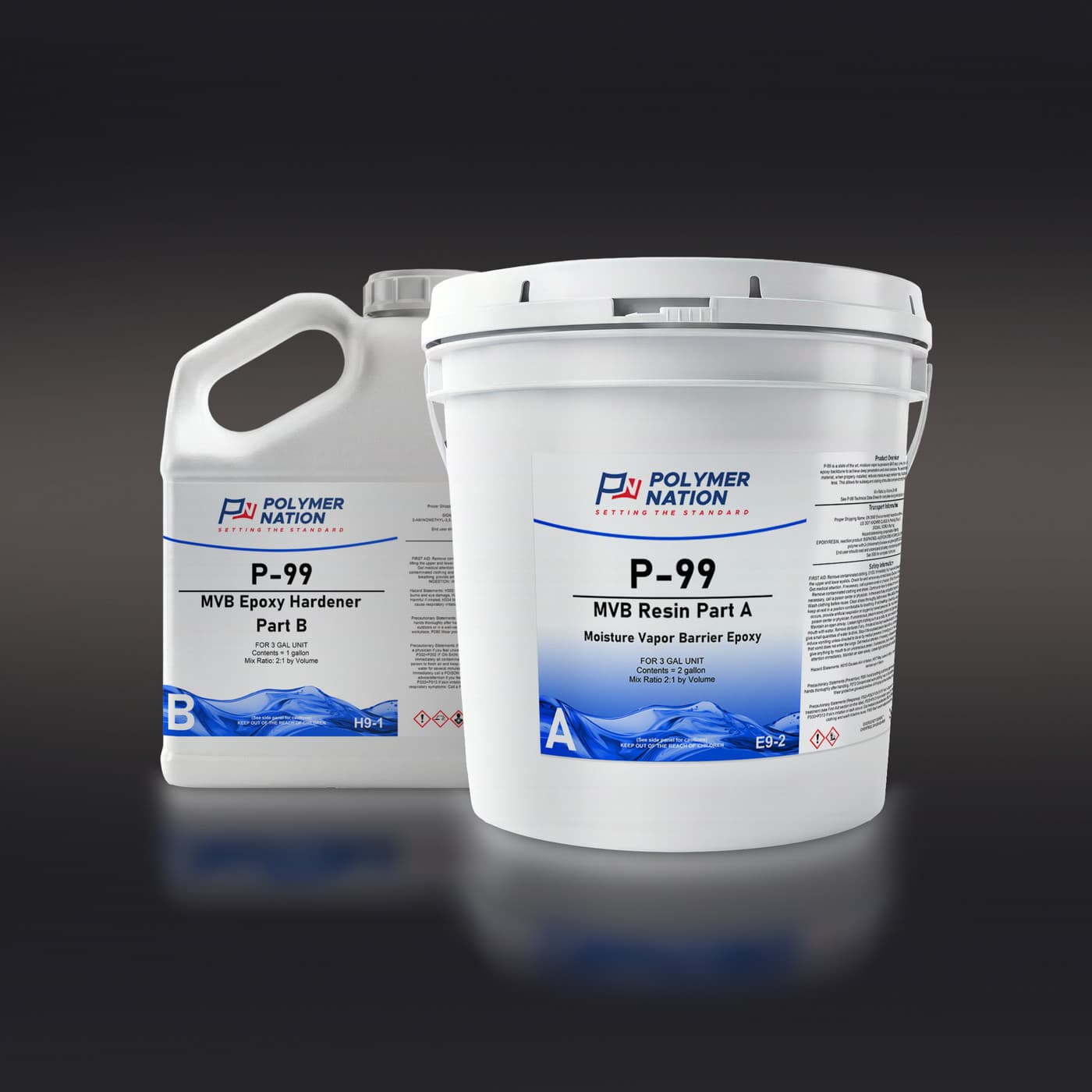
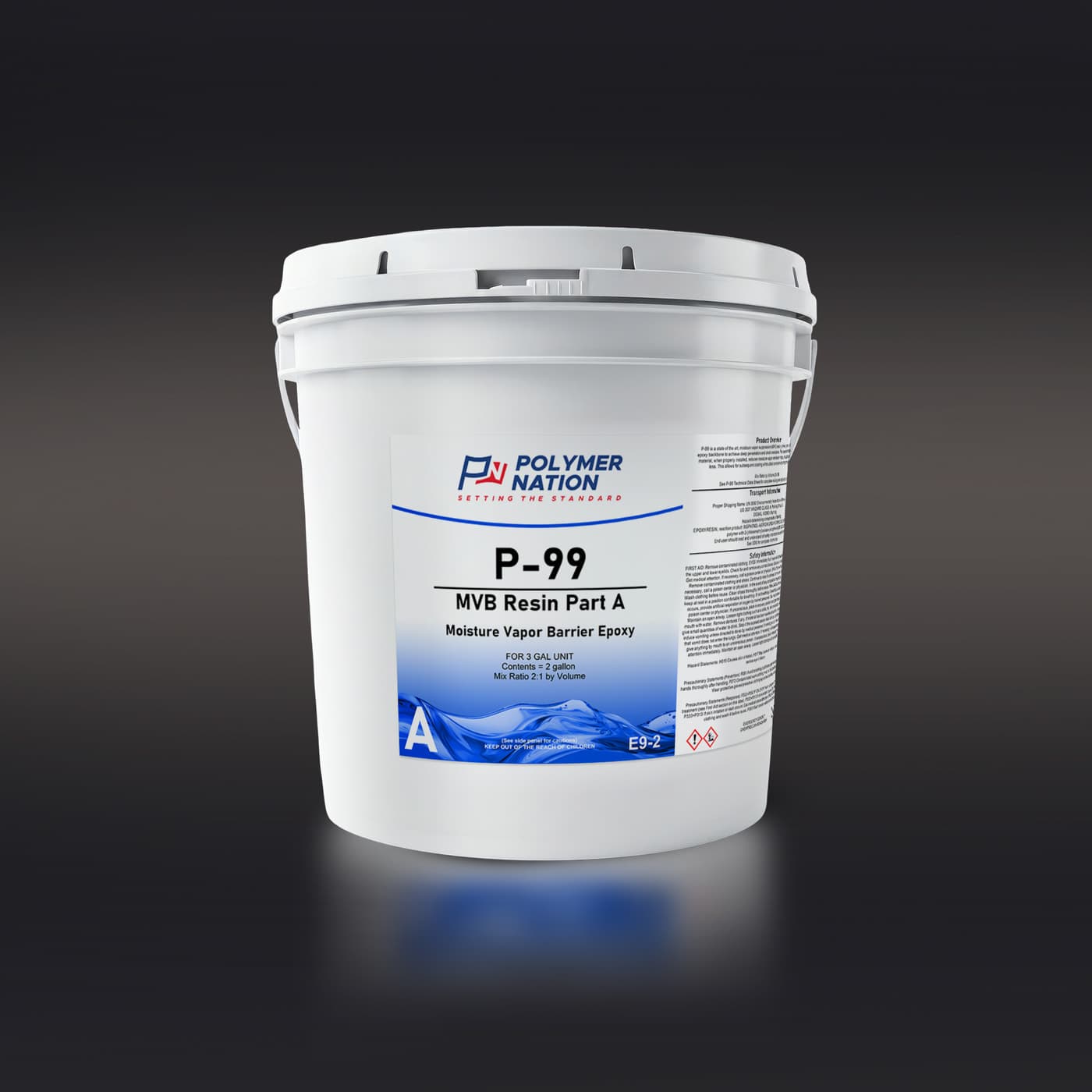
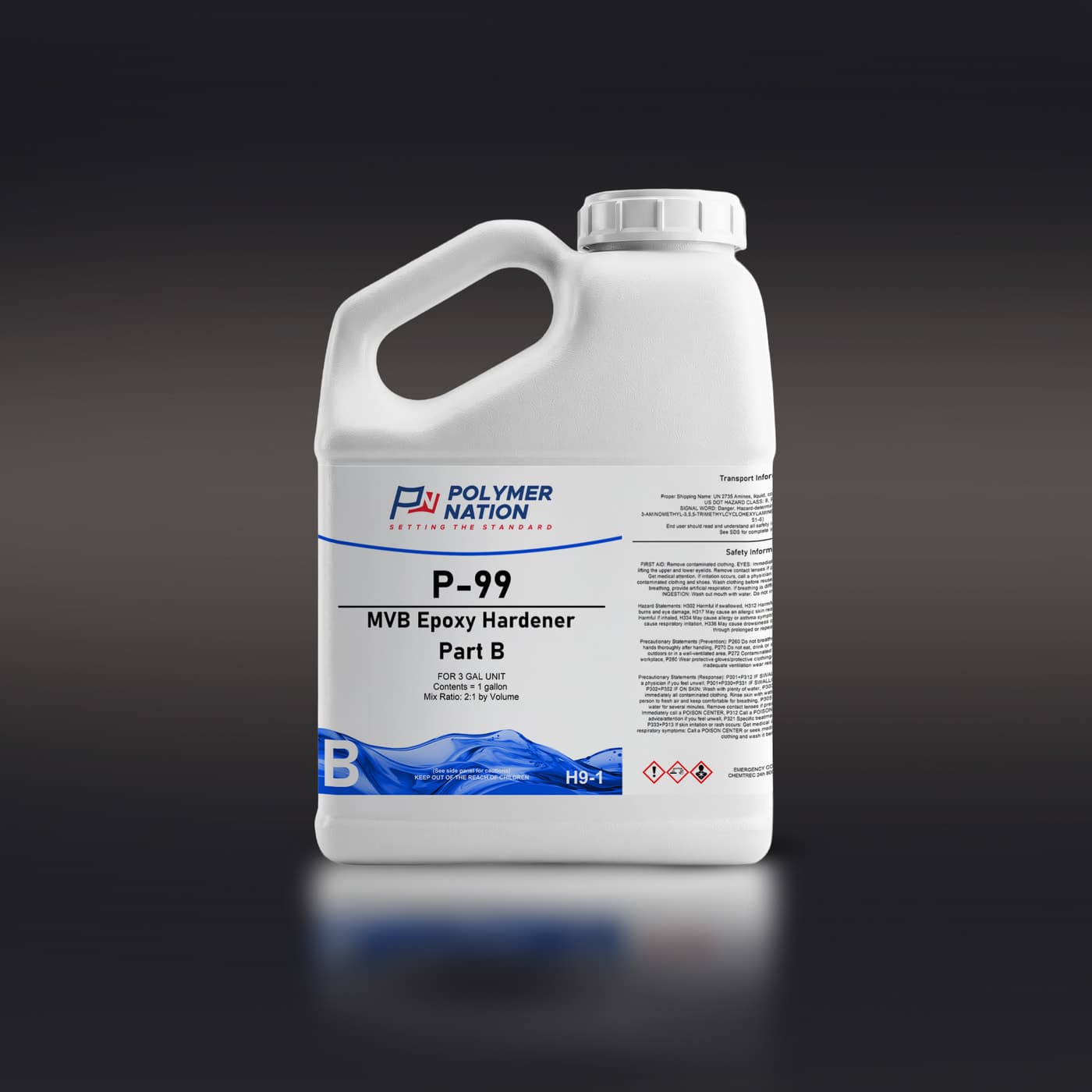
A kit consists of 2 gal A and 1 gal B
Overview
P-99 is a state of the art, Bisphenol F epoxy, Moisture Vapor Suppression (MVS) coating. As a Bis F, it has higher functionality than Bis A epoxies, providing better chemical resistance to caustics and acids. This is critical when combating high alkalinity at the concrete/coating interface. P-99, when properly installed, creates a tight film that tenaciously bonds to concrete. This highly crosslinked film reduces the amount of moisture vapor that can pass from the concrete through the P-99. Independent testing, performed by CTL Labs, shows ASTM E96 test results of .074 grains per hour, per square feet, per 1 inch of mercury. This extremely low perm rating results in P-99 being classified as a Class 1 vapor retarder. P-99 comes in standard and fast set versions. Ask your P-99 supplier for the CTL test results and always demand third party testing when comparing MVS product performance between manufactures!
Uses and Benefits
Primer-Used when concrete testing, per ASTM F2170, shows average RH readings above 75% or when moisture vapor emissions are suspected, and an additional level of moisture transmission protection is desired. When applied seamlessly at 16 mils over a concrete surface profile (CSP) of 2 or 3, P-99 will mitigate moisture vapor transmission (MVT) to less than .1 perms as shown in independent testing. Independent testing shows that broadcasting flake into P-99 results in a Class 2 Vapor retarder or > .1 and
Limitations
Verify that substrate temperature is above 5 degrees of dewpoint during application and cure of material to avoid a potential amine blush. Follow Technical Data below.
Preparation
For guaranteed performance follow all steps found in ASTM F3010. Patch all holes, cracks and non-moving joints using SP-15 prior to coating application. Understanding of osmotic, capillary and hydrostatic pressures with the potential of alkaline hydrolysis (which can erode the bond strength) is critical to successful evaluation, preparation and installation. Osmotic, capillary and hydrostatic pressures have been measured in excess of 3,000 p.s.i. which is well above the tensile strength of concrete. Polymer Nation encourages its customers to review its presentation called Understanding Moisture Vapor Suppression available where P-99 is sold. To receive a MVS warranty contact Polymer Nation techservice@polymernation.com prior to the start of project. Only written warrantees will be honored for labor and material coverage.
Key Benefits
- Stain Resistant
- Durable
- Low Odor/VOCs
- Self Leveling
- Moisture Mitigating
Technical Data
At a glance: the specs most teams decide on.
- Shore Hardness @ 24 Hours
- D65Shore D
- Shore Hardness @ 7 Days
- D78Shore D
- Gloss @ 60° Angle
- 80-90Applying material close to dew point will decrease gloss and may result in an amine blush
- VOCs of Mixed Material
- <50 g/lEPA Method 24
- Color Scale per ASTM D1500
- 0.5-1.0Clear to Slightly Amber
- Solids by Volume (Mixed)
- 100%
- Working Time
- 15-20 minutes
- Dry to Touch
- 4-6 hours (2-3 if fast set)Warmer temperatures will decrease gel time and lower temperatures will increase gel time
- Through Dry
- 6-10 hours (3-6 is fast set)Warmer temperatures will decrease gel time and lower temperatures will increase gel time
- Dry to Lightly Use
- 16 - 24 hours (8-12 if fast set)Warmer temperatures will decrease gel time and lower temperatures will increase gel time
- Full Cure
- 7 daysWarmer temperatures will decrease gel time and lower temperatures will increase gel time
- Number of Components
- 2
- Mix Ratio (Liquids by Volume)
- 2 gal A, 1 gal BDo not split kits.
- Mixed Viscosity @ 25°C/77°F
- 700-1000 cP 25°C/77°FWarmer temperatures will reduce viscosity and lower temperatures will increase viscosity
- Ideal Application Temperature
- 60-85°FVerify that substrate temperature is above 5 degrees of dewpoint during application and cure of material to avoid a potential amine blush
- Application Thickness
- 16 mils or 2 coats of 8 mils
- Coverage Per Mix
- 80-100 sq.ft./gal
- Odor
- Very Subtle
- Storage Temperature
- 60-85 degrees FStore material between 60-85 degrees F in a protected dry location.
Colors & Packaging
Colors
Tap a color to enlarge. Swatches are a representative guide. Request a physical sample for color-critical work.
Packaging
- Available sizes
- 3 Gallons
- Note
- A kit consists of 2 gal A and 1 gal B
Where It's Used
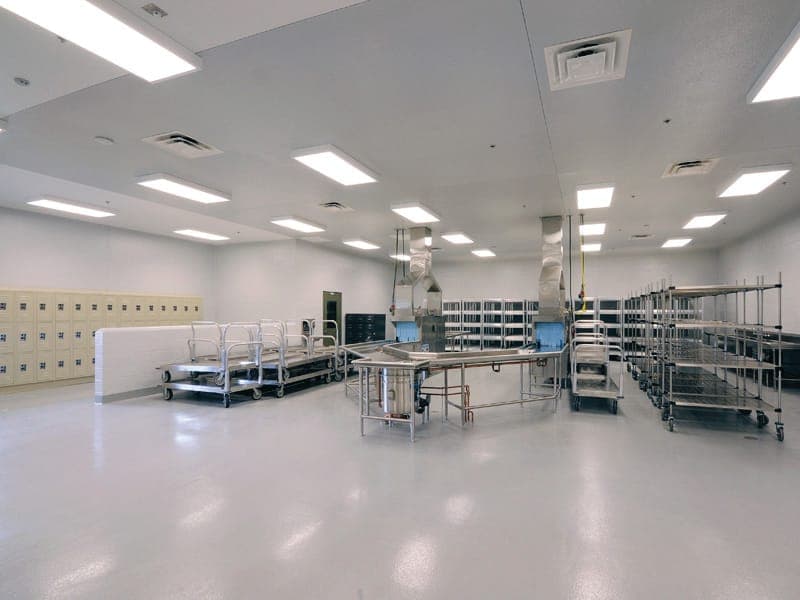
Markets
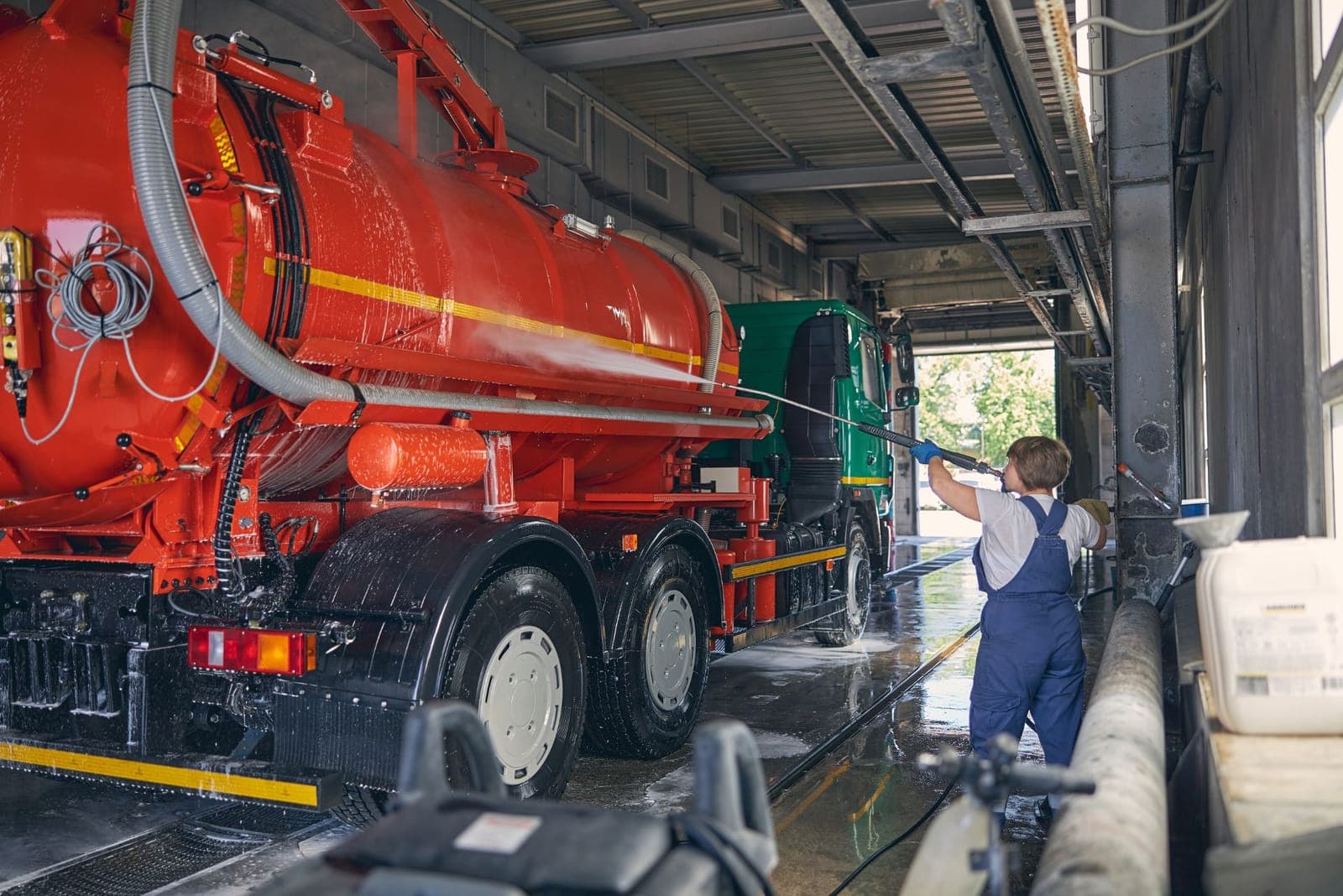
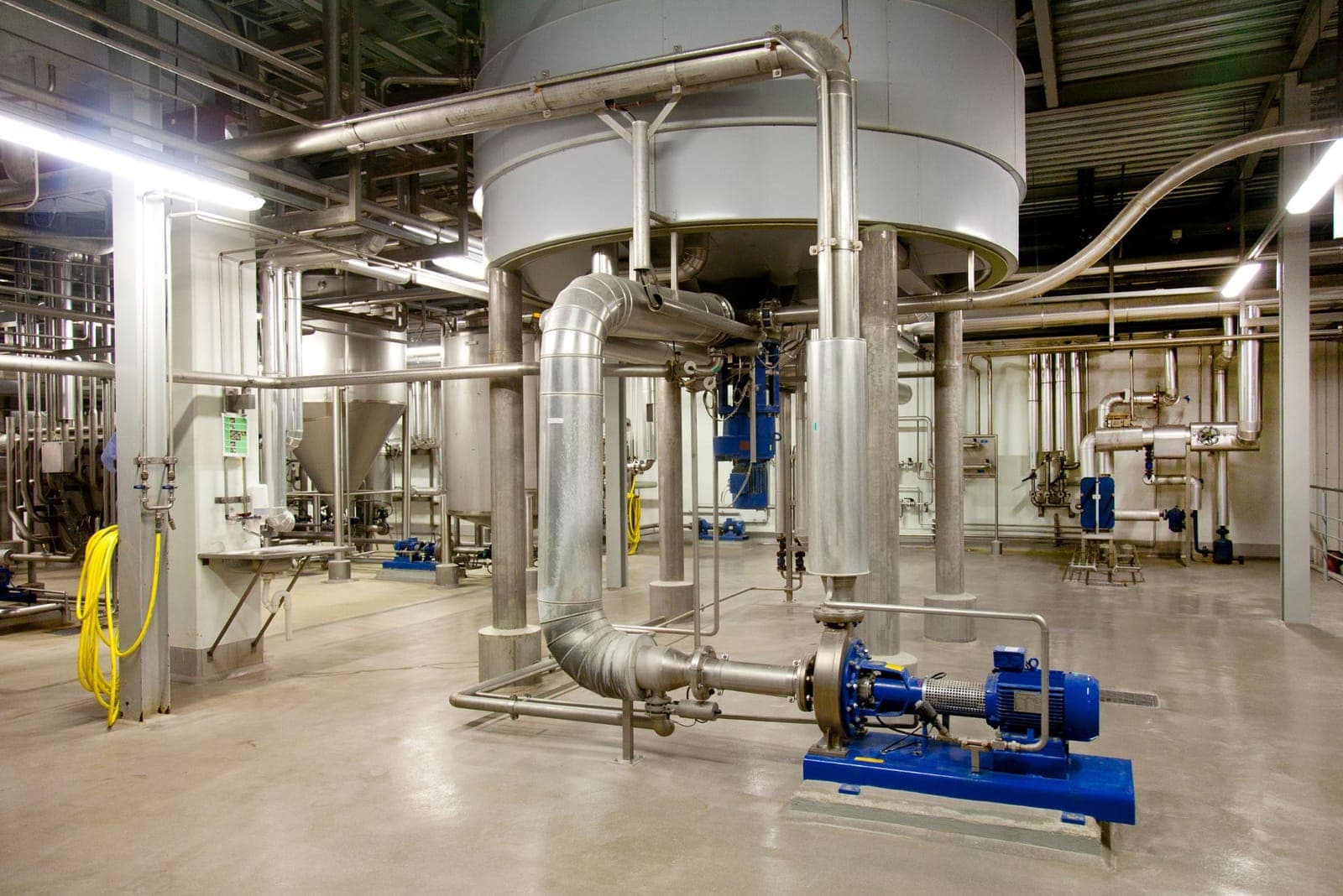
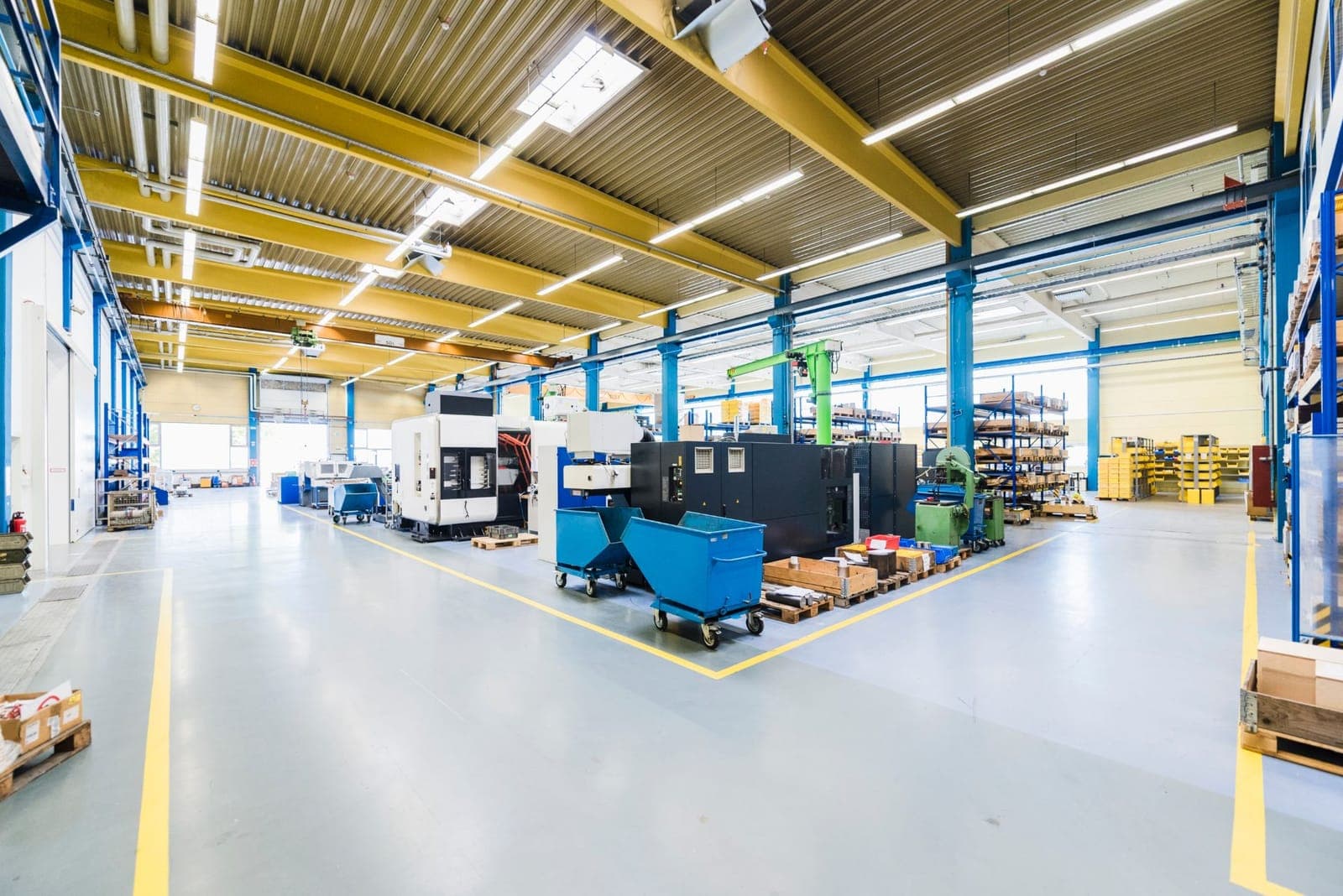
Used in Systems
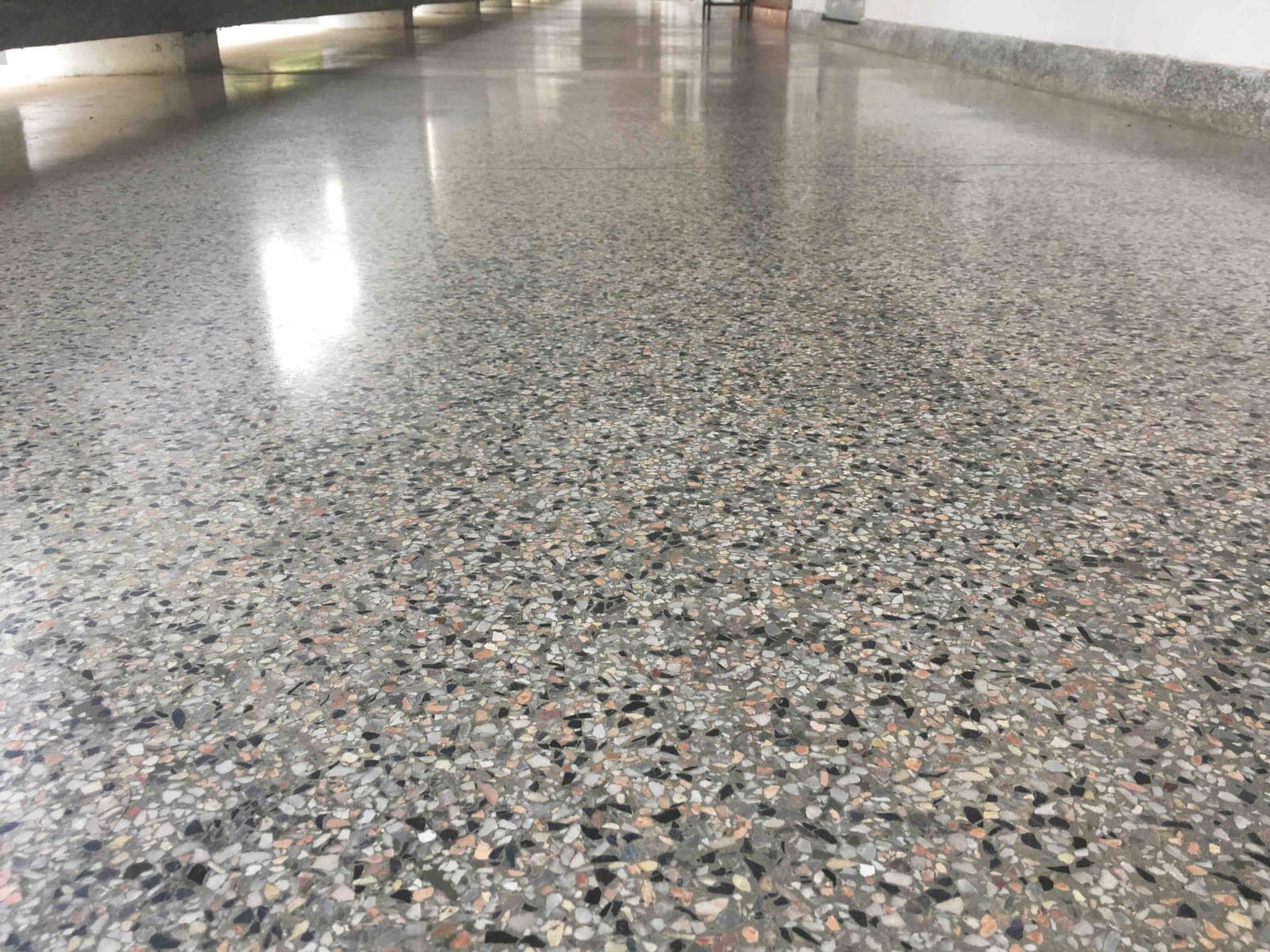
Mixing & Application
Do not split kits. Mix ratio is 2 parts P-99 Part A to 1 part P-99 Part B. Combine all of part A and B into a single container, large enough to except the entire kit. Mix using a 350 RPM mixer using an appropriate mixing blade for 1.5 – 2.5 minutes making sure to not introduce excessive air into the material. If adding colorant, first mix with Part A before adding Part B.
Disposal: Dispose of material, containers, solvents, etc., per Federal, State and local guideline, rules and laws.
More Epoxies
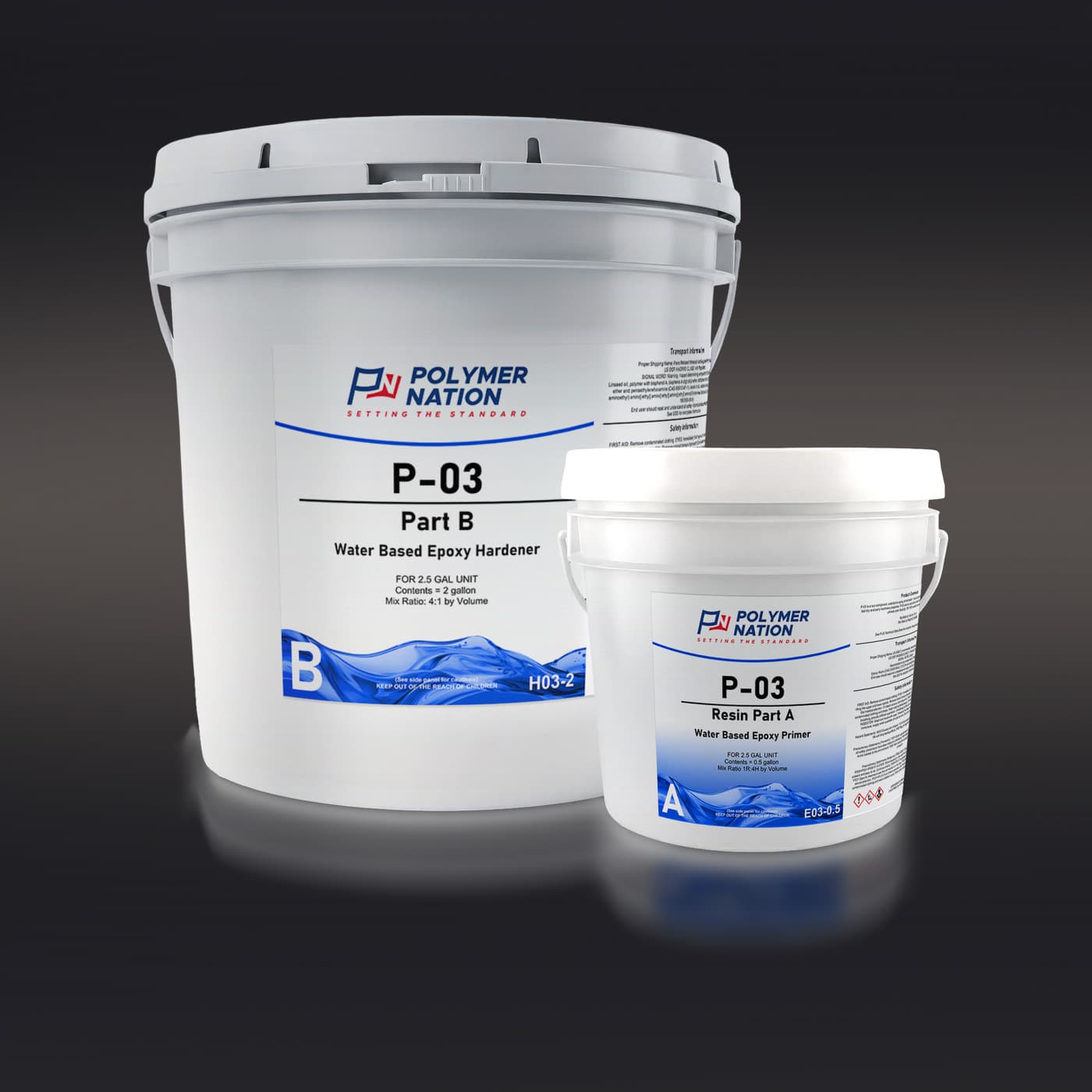
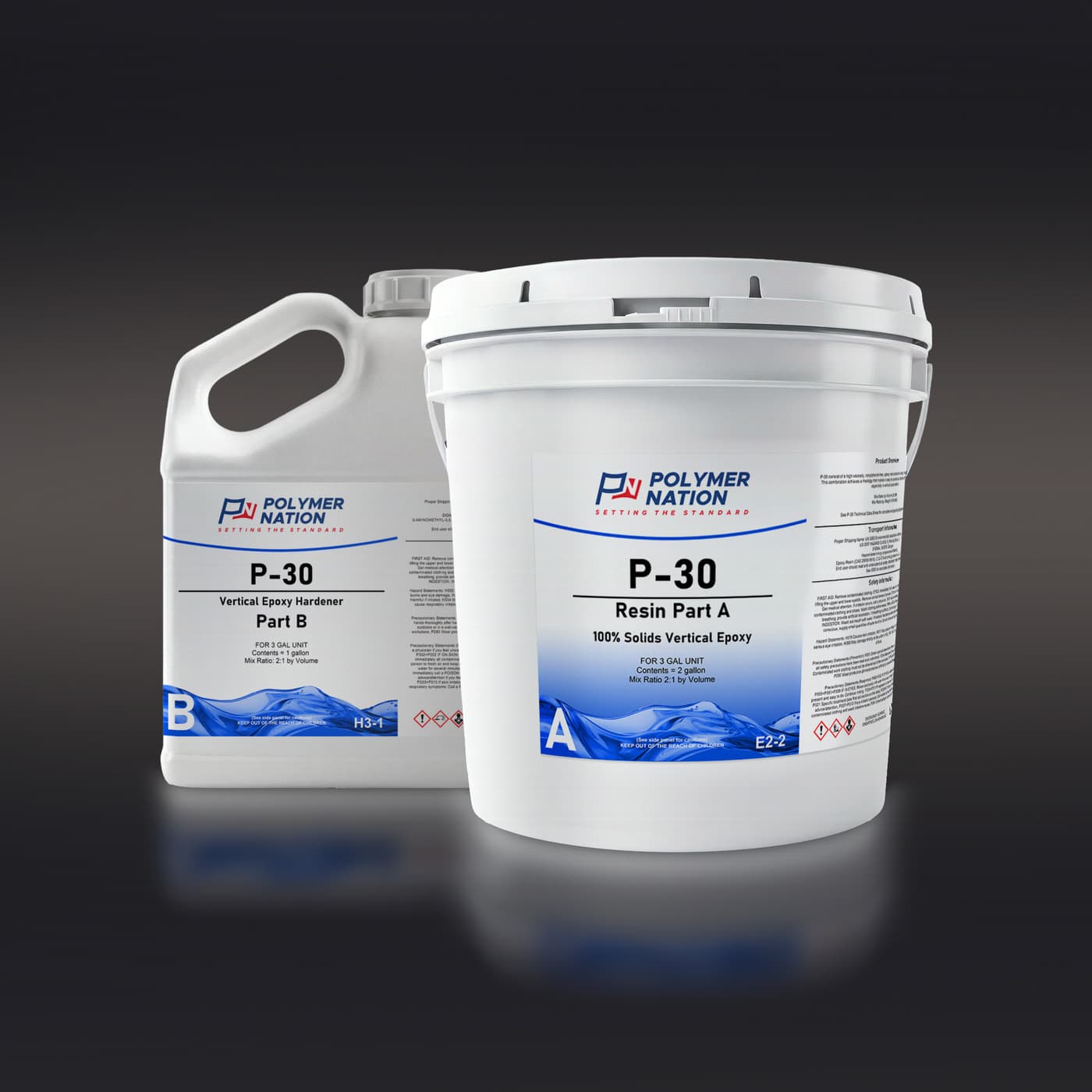
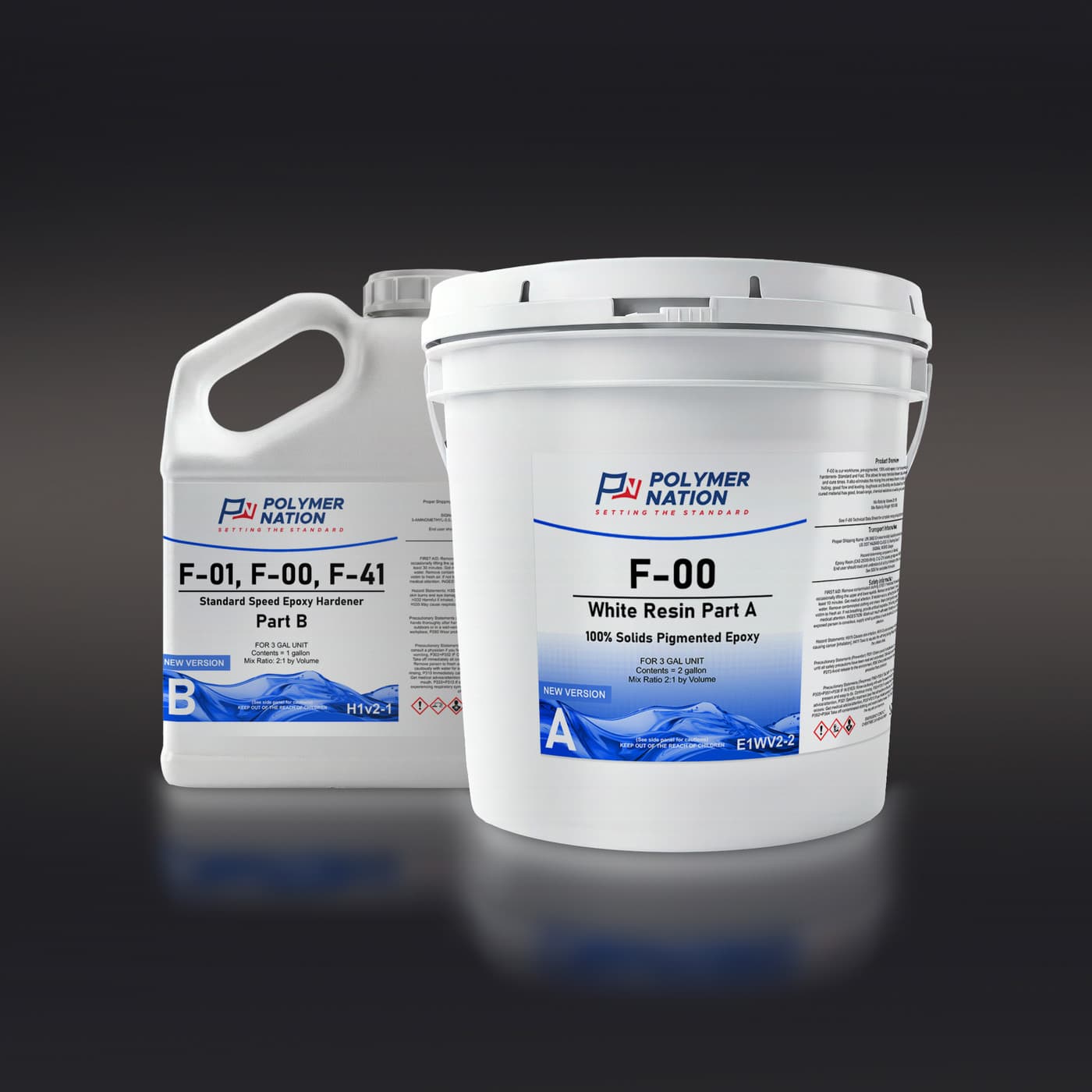
Related products
Complete the system or compare close alternatives in the same family.
Made in the USA · Tech Support Included
Need P-99 for your project?
Our team will help you spec the right system, quantities, and colors, and get you a quote fast.